As we ticked around to the end of the disaster that was the year 2020, a lot of “Teams of the Decade” were shared. ESPN created a test match team of the decade. Whilst I keep up with most of the England Test Matches, I do not really keep up with all the other international fixtures. I am pretty familiar with England teams since 1990 so I have picked teams of the decade for the 1990s, 2000s and 2010s.
Recently I heard Michael Vaughan say that we are in a golden period of England Cricketers. When you consider the results of the last few years, it is hard to agree with him. However, when you look at the players it must be said that the 2010s featured some fine England Cricketers. Consistency has been a big problem since 2013, and perhaps the strength in depth has been lacking.
The Team
It was therefore not easy to pick a balanced team for the 2010s. Some surprising players had to be left out (it came down to Strauss or Trott – but Strauss had to be captain). Other spots were hard to fill – before Archer, who would be the 3rd fast bowler?
AN Cook, AJ Strauss (c), JE Root, KP Pietersen, IR Bell, BA Stokes, MJ Prior (w/k), CR Woakes, GP Swann, SCJ Broad, JM Anderson. Reserves: IJL Trott, J Archer
The Batting
Alistair Cook: Of course, Cook became a legend in 2010/11 when he batted the Australians into submission. He had a very good record down under. But he also was brilliant in India, and broke all the England records for batting, even when he had to open so much in England. And for half his career, he batted whilst the revolving doors spun at the other end after Andrew Strauss retired.
I think the key was that when he got big, he went very big, with several scores over 200, and he narrowly missed out on the tripple. Having solid partnership at the top of the order is vital – and it is no surprise that England have struggled for consistency since the opening partnership of Cook and Strauss came to an end.
I am not sure that Cook could be described as a ‘tactically’ great captain. I personally still tend to be of the view that he should have stood down after the 2013/14 Ashes shambles. What he did have was determination and commitment. He was also undoubtedly a ‘team man’ and he took the Kevin Pietersen nonsense on the chin when he could have taken a different approach. He was backed into a corner, let down by England management until Strauss came back as a Manager and sorted things out regarding Pietersen. Yet Cook just got on with it.
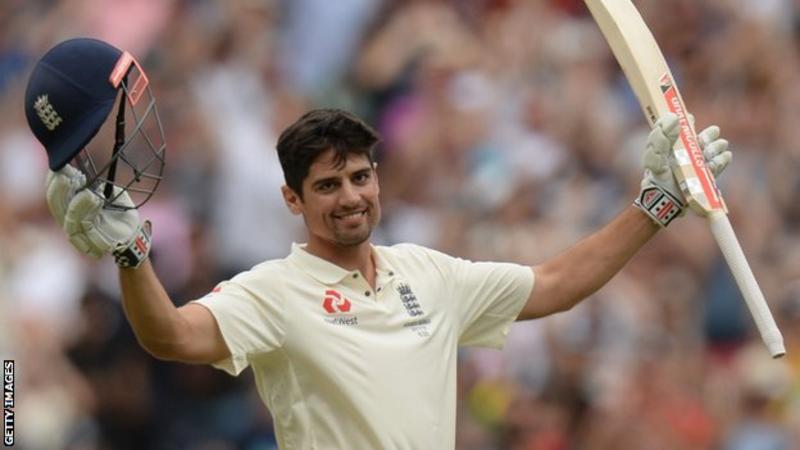
Andrew Strauss (c): For his batting since 2010, Strauss would not get in this team. He enjoyed a stellar run from 2008 to 2010 which ended when he scored a vital century in Brisbane. Since then he did little else in the 2010s until just before he retired when he made centuries against the West Indies.
It meant that it became a shoot-out between Strauss and Trott, though picking Trott would mean him or Joe Root opening which is not ideal for either.
But of course, the 2010/11 Ashes were in the right decade – just about, and so it was obvious the captain of the victorious Ashes series would be captain of this decade, when England only had 3 full time test match captains.
The other measure of a player is ‘can they be replaced?’. Neither Strauss or Trott have been replaced – though Zak Crawley might be the man.
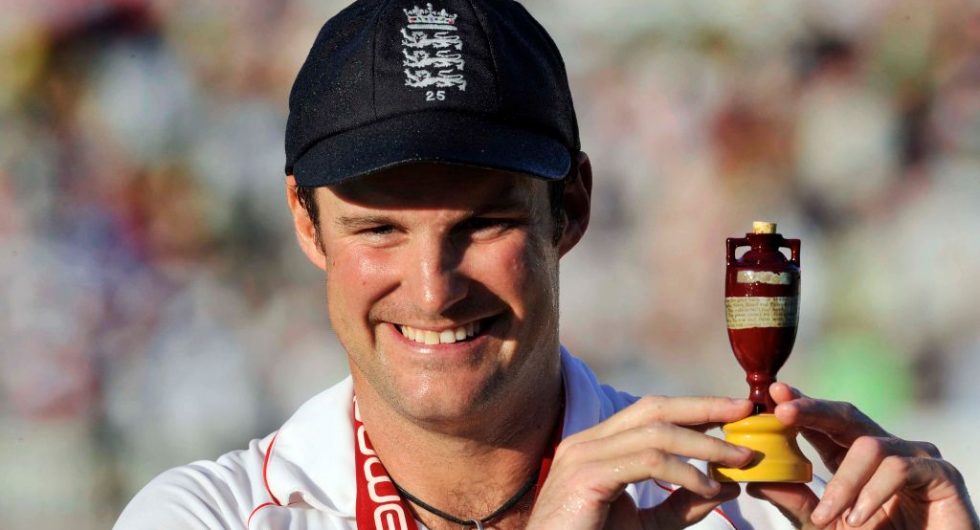
Joe Root: So now we have Root, Pietersen and Bell. None of them are suited to batting at 3 – either it was not a successful position (Bell) or not a preferred spot (Pietersen and Root). But all 3 had to be selected, and with Stokes too that leaves no room for Trott who was England’s best number 3 since David Gower.
So I have put Root in at 3. I never understood why it mattered so much to him, but now with Zak Crawley around England probably will keep Root at 4. But of the 3 players who could bat at 3, I consider Root to be most suited to it. And perhaps coming in behind Cook and Strauss, batting at 3 would be easier.
Saying that, Root, like Bell, had probably had more success at 5 than 3 or 4 in the decade, but in 2021 he has maybe started to change that. In any case, he is one of England’s best of all time, and I would be very surprised if he does not feature in the England Team of the 2020s (I plan to write that feature for the newspaper I will be writing for in 2030 as Chief Cricket Writer).
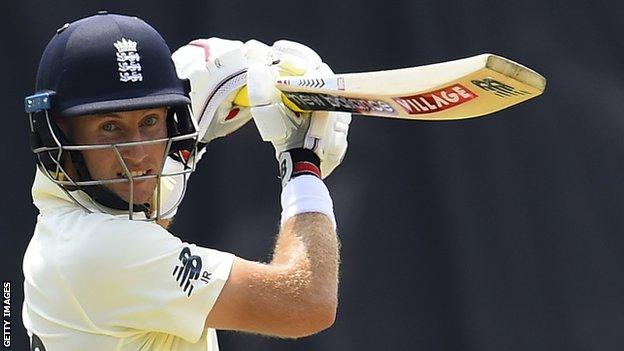
Kevin Pietersen: Pietersen was obviously going to bat at 4 in this team, and would get the choice before Root or Bell because of his ability to destroy. I remember Shane Warne talking about ‘KP’ during his 200 at Adelaide in 2010. To paraphrase, Warne said that you needed a lot more than ‘just talent’ to be succesful. But when it comes to talent, ‘KP’ was up with the best.
Sadly he became a rather unhappy member of the team and in the end was ‘sacked’. I personally would just have dropped in in 2014 and left him the option of banging the door down for selection, rather than making it permanent. By 2014 he actually did not deserve his place in the team.
Its such a shame, because he played some of England’s greatest ever innings at Leeds, Mumbai and Colombo. And he destroyed Australia in 2010 at Adelaide. I suspect that with Pietersen it was always going to ‘end in tears’ but it was fun while it lasted.
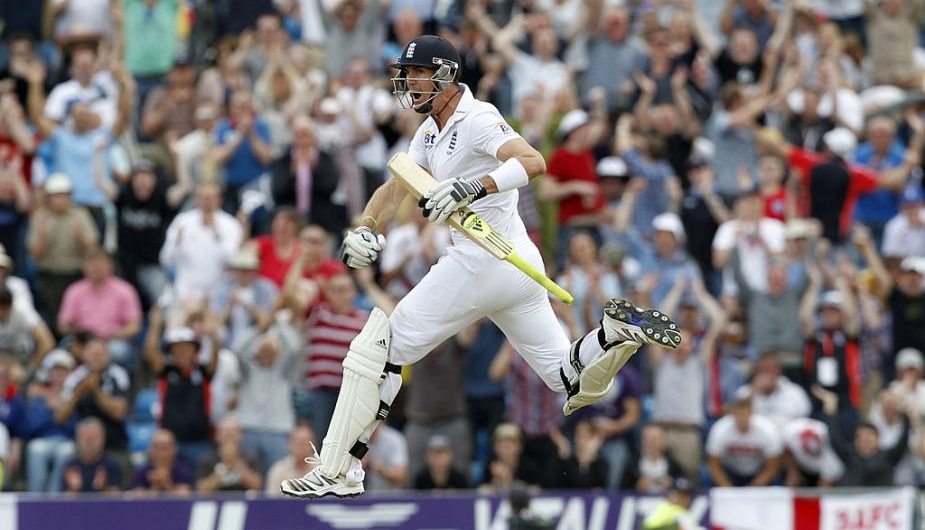
Ian Bell: Bell was unlucky to miss out on my 2000s team, and it is his longevity that sees him selected ahead of Trott.
Bell was of course perfect to watch when in full flow. His cover drive was beautiful to watch and technically perfect. I do not think this always helped him, and left him open to strange accusations of trying to be ‘too correct’. He also had a problem where he only scored centuries after someone else already had.
This latter point was also always a strange argument – and if he needed to address it he certainly did in 2013 when he scored 3 hundreds in the Ashes – all 3 of which were crucial. In all 3 games someone else got the credit of being ‘the match winner’ but in all 3 cases, they would not have had the opportunity without Bell. Sadly, he never again reached those heights and 2013 turned out to be ‘the beginning of the end’. He was the last of the 2005 Ashes heroes to retire.
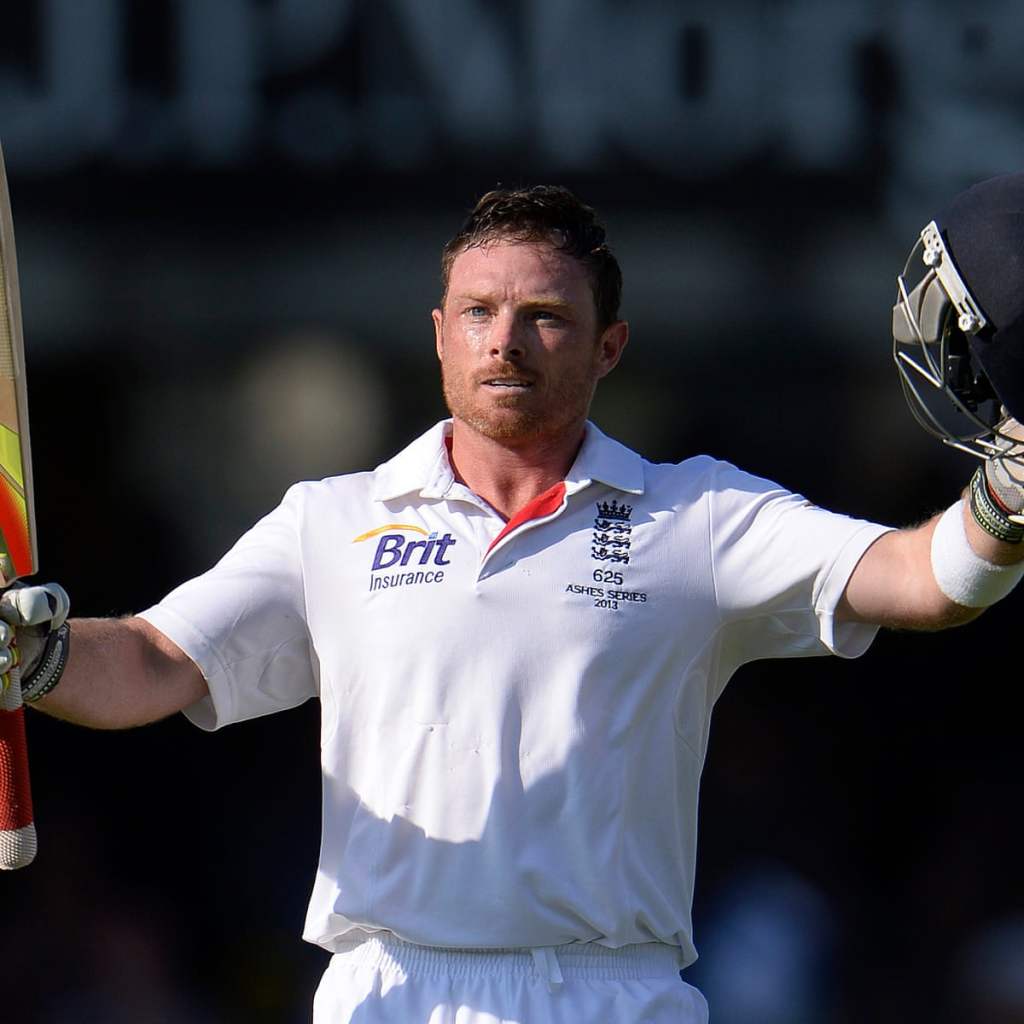
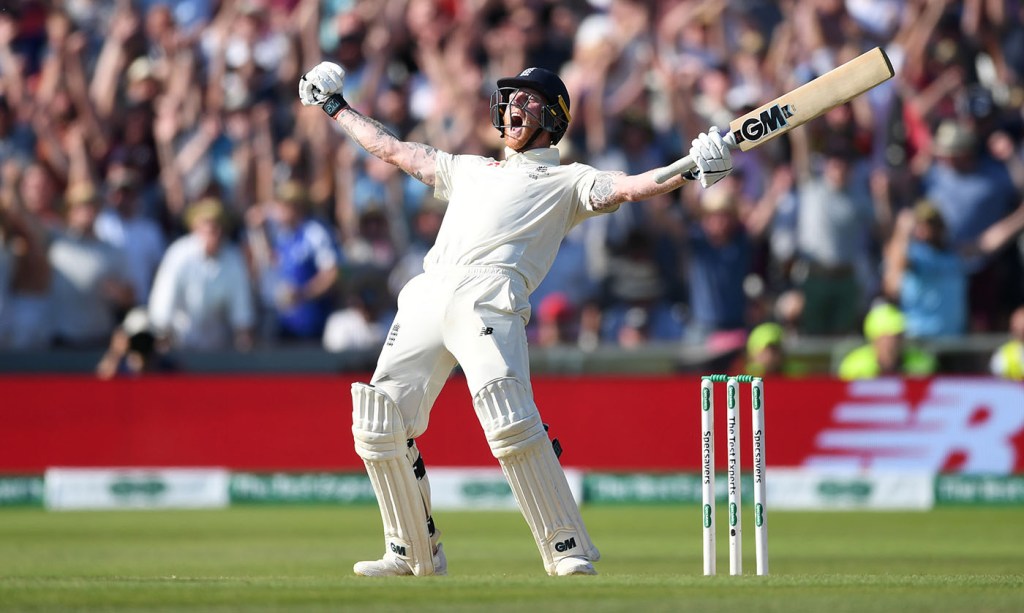
Ben Stokes: Where do we start with Stokes? To be honest, I am not sure. I will start with those truly memorable performances – Perth on debut, Lords against New Zealand in 2015 and of course the miracle of Headingley in 2019. And I forgot the 250 against South Africa. Yes, we have many memorable moments to choose from – and not all of them positive.
Let’s be clear, Stokes still has work to do in order to get his stats where they could be. His batting average should be above 40 given he is increasingly a batting all rounder. But stats are not everything.
It is impossible not to start to compare Stokes with Sir Ian Botham or Andrew Flintoff. Clearly Stokes is a better batter. His bowling is not up with the other 2. All are super slip fielders, but Stokes is an all-round fielder (though perhaps Stokes has gone off the boil with catching since 2020). And none of them are or should ever have been England Captaincy material.
But all 3 have that impact, that ability to do what nobody else can do. When Stokes is invovled, the crowd wake up.
The Wicket Keeper
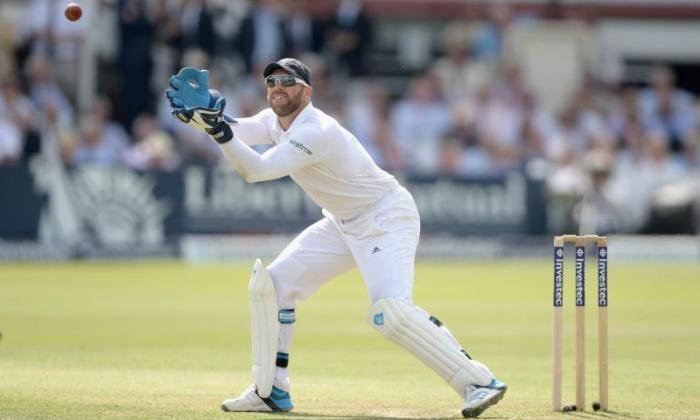
Matt Prior: If it was unclear who the keeper should be for the 2000s team, for the 2010s team Matt Prior is the only man. Prior transformed himself from ‘Dire Prior’ into England’s best. His best moments came in 2010/11, but more importantly he made himself into a real presence behind the stumps.
I must admit that I could not think of loads of Prior performances except for his Ashes Tour in 2010/11 when he ‘kept well and made runs. So while I knew he had an average of 40, I was surprised to see that he has 7 test hundreds. Perhaps that is the point with Prior – he became a cricketer that got the job done. Despite incurring the rather strange hatred of Pietersen, Prior was also considered a true team man and a key aid for captains Strauss and Cook.
I suppose Matt Prior’s most memorable moment was when he saved a test match against New Zealand, batting at the end with Monty Panesar. Sadly this would be the start of the end for Prior. However, in this performance it was his determination that made the difference, and Prior would go down as a seriously determined cricketer. It was a shame his career ended in the way it did.
The bowlers
Chris Woakes: In 2021 England have too many fast bowlers can cannot work out what to do with them. What they do in India is pick 4 of them on spinning wickets and 2 of them when they need 3. But that is another story.
For much of the 2010s, the brilliant Broad and Anderson needed some help. So it is not surprising that it was a struggle to fill the spot in this team. Steven Finn was the great hope. Chris Tremlett made the difference in 2010/11 but injury cut short yet another career – and injury would later impact Mark Wood and Toby Roland-Jones. Tim Bresnan for a while was England’s lucky charm. Moeen Ali has had runs of success but lacks consistency. Jofra Archer arrived in 2019. Have I missed anyone? Probably?
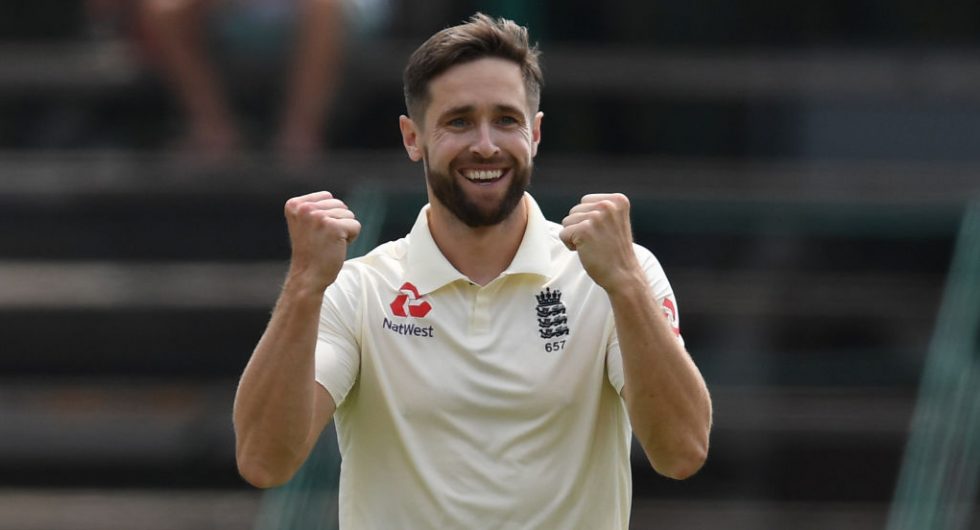
Chris Woakes has played 38 test matches (though inexplicably not in 2021) and both his batting and bowling averages are just under 30. Probably the reason he has not played more games is down to his struggles away from home. And Jimmy Anderson. But he had a fantastic 2020 which included success abroad, albeit in relatively helpful South Africa.
In 2021 he would not be England’s third choice, more likely fourth behind Anderson, Broad and Archer. But if I was handling the England rotation policy, Woakes would play whenever Anderson does not play and Archer and Wood would rotate. In the 2010s, Woakes was probably overall the best choice as third seamer.
Graeme Swann: England won the Ashes home and away and home again when Swann was at his best. He was the biggest loss to England in 2013/14 when he could not keep bowling to the same standard. He copped a lot of ‘flak’ when he retired in the middle of the Ashes in 2013/14, but in truth, if I knew I was finished, going to loose a series 5-0 and never play again, I would clear off too. What was the point of staying? It was a sad end and what a shame he did not finish after the Home Ashes win. Not many can choose when to retire though, and I am sure it had an impact on Cook’s decision to retire in 2018.
One just cannot overstate the importance of Swann in that period from 2009 to 2013. The most perfectly balanced team for test match cricket requires an all-rounder – like a Stokes, Flintoff or Botham. The next best thing is to have the team with 6 front-line batters and just 4 front-line bowlers. And this configuration worked for the 1980s West Indies and 1990s Australians. But you need 3 of those bowlers to be genuinely world class (think McGrath, Gillespie, Warne). As soon as England lost Swann, that team configuration no longer worked – and the whole team fell appart.
Strauss and Cook were able to rotate Stuart Broad and James Anderson around Swann, and it meant that even though England often struggled to find another pace bowler, Swnn could provide control. That in turn made 2 amazing bowlers in Broad and Anderson truly devastating. You see the same thing now with Nathan Lyon for Australia, who surely increases the impact of Pat Cummins.
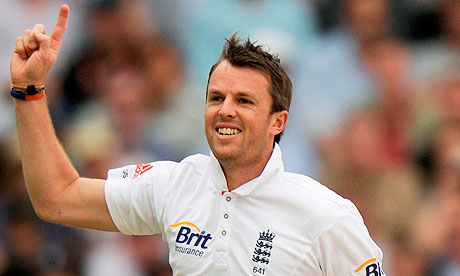
Stuart Broad: Think Broad and you think of The Oval in 2009, Durham in 2013, Trent Bridge in 2015 and The Wanderers in 2016. Crazy ‘purple patches’ where nobody could play him. It is not the whole story though.
People have had a tendency to think of Broad as inconsistent, but none the less, with those ‘purple patches’, a perfect foil for consistent Anderson. You do not get 500 wickets without being consistent though, and in 2019 he showed that he does not just live in Anderson’s shadow.
We had hopes for Stuart Broad the all-rounder, but his batting has rather fallen off a cliff since his test century in 2009 (I was at Lords and I did not spot the no-balls!). But he was more than made up for that. Most importantly of all, though, is that Broad has performed in advercity, so many times. Even on the disgraceful Ashes tour of 2013/14, he came out with a small amount of credability. Many wrote Broad off in 2018 during a period of poor form (though again, everything is relative) but in 2019 he came back and had an amazing Ashes series. Broad is a real champion.
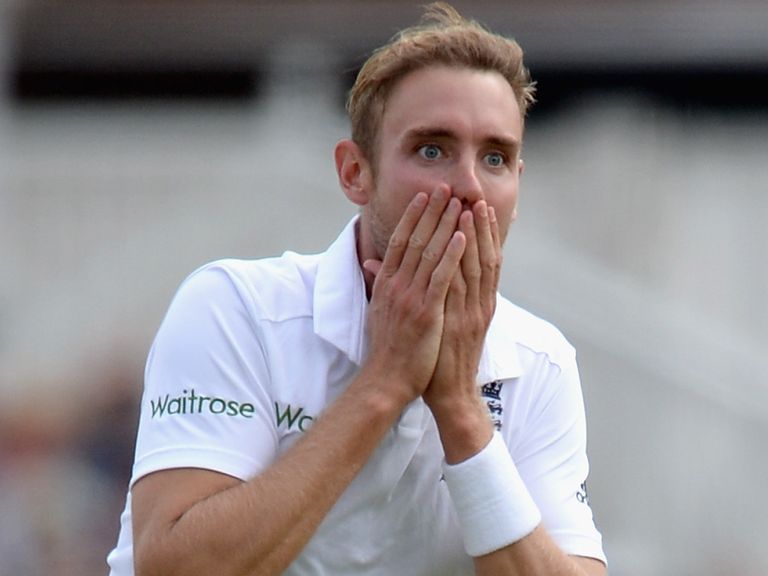
James Anderson: Oh Jimmy Jimmy……Anderson, born in 1982, has played test matches alongside Alec Stewart, who made his debut for Surrey in 1981. Graham Gooch famously played for England into his 40s, and Alec Stewart’s longevity as a ‘keeper is incredible. But for a fast bowler to be still bowling for England aged 38 is incredible.
Like some of the other players in this team, I struggled to remember many of the Jimmy Anderson moments. That is because he has become ‘Mr Consistent’. He is not known for those Broad ‘purple patches’ but it is rare for him not to take a few wickets. He also rarely goes for many runs.
However, he has taken thirty 5-wicket hauls, and 10 in a match on 3 occasions. The most memorable 10 wicket haul was in 2013 against Australia. That turned out to be a massively important game. I think it was in that Trent Bridge game when he bowled a ball to Michael Clarke in 2013 that was described as the ball of the century, swinging late past the bat to take off stunp. Actually, Anderson has been bowling that ball for years. He has that amazing combination of consistency with enough variation to rarely be predictable. If he was found out in the 2013/14 Ashes, he did well in the 2017/18 down under. However, any suggestion of Anderson being a poor traveller is undone by his success in Asia. A truly remarkable bowler that has too often been let down by England’s batsmmen.

The reserves
Just a batman and fast bowler this time.
Jonathan Trott: I could not get Trott in this team, but like Swann, you cannot over estimate the impact of Trott on England from 2009 to 2013. Trott experienced mental health issues in 2013, and while he did return for England after 2013, he was never the same player again. It is no surprise that England’s consistency suffered without Trott holding it together at 3.
For me, Trott in 2010 was like Mike Atherton in the 90s. When Trott was in, you felt England would score lots of runs.
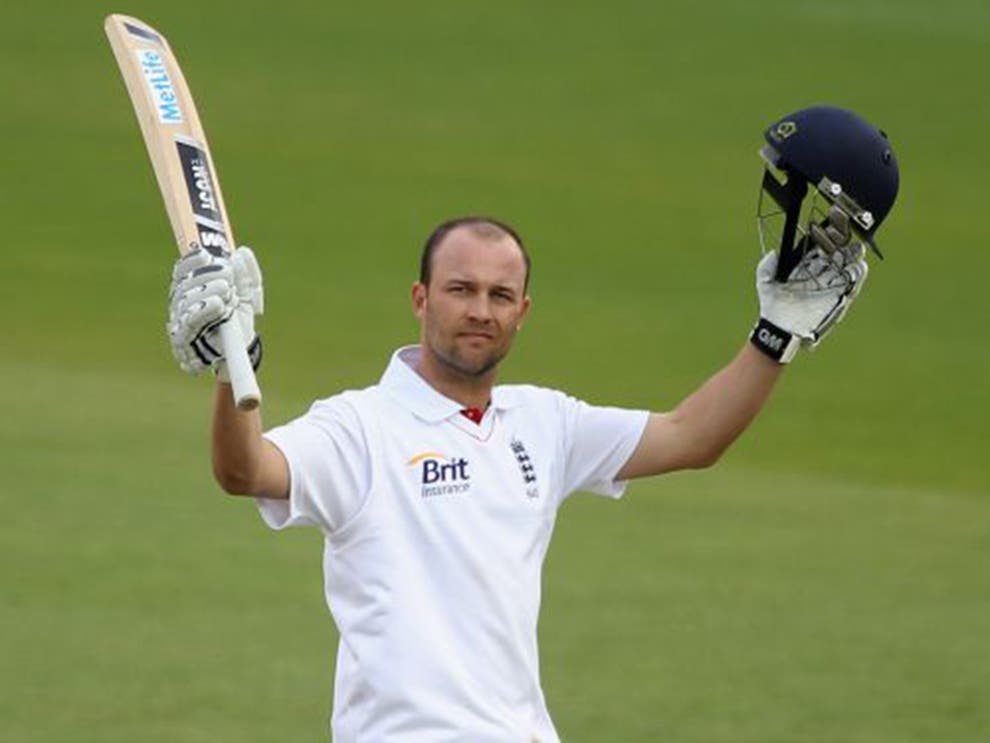
Jofra Archer: In 2019, Michael Vaughan picked Archer as 12th man for the all time England one day team. It seemed crazy. But despite only playing a handful of test matches, it is clear that Archer could become a great test match bowler. If he can keep fit and motivated.

How would this team do?
This team would give any team from any era a real challenge. We saw that in the early part of the decade. And it must be said that since the team of 2010/11 only Root and Stokes have made themselves indispensible, leading to Trott just missing out. I suspect the great West Indian team might edge it, because really fast bowling has been a problem for several of this batting line up – though not for Stokes who thrived on it in Perth.

 Cricketed