As we ticked around to the end of the disaster that was the year 2020, a lot of “Teams of the Decade” were shared. ESPN created a test match team of the decade. Whilst I keep up with most of the England Test Matches, I do not really keep up with all the other international fixtures. I am pretty familiar with England teams since 1990 so I have picked teams of the decade for the 1990s, 2000s and 2010s.
Picking this team was much more challenging than picking the 1990s team. The 90s team was slim pickings. It was in the 2000s that things changed. England went from being hopeless in 1999 to being world beaters in 2010. But the seeds were sown in 2000 when England embarked on 4 successive test series victories. To those of us who had followed England since the late 80s this was new territory. In this decade England had some seriously good players – so some good players did not make the cut – and some have every right to feel unlucky.
The Team
ME Trescothick, AJ Strauss, MP Vaughan (c), KP Pietersen, GP Thorpe, A Flintoff, MJ Prior (wk), AF Giles, SJ Harmisson, MJ Hoggard, SP Jones. Reserves: IR Bell, JM Anderson, MS Panesar
The Batting
Marcus Trescothick: I was watching on television the Old Trafford test match in 2000. Alec Stewart tore into the West Indies bowling attack, which was nothing like what it had been, but still included Ambrose and Walsh. ‘Tres’, on debut, just dug in and kept Stewart company. Within months he was a guaranteed selection.
His best performances came against South Africa in 2003 at The Oval and then in 2004 at Johannesburg. However, he will always be remembered for his contribution to the 2005 Ashes. He failed to score a 100, but his 90 at Edgbaston changed the complexion of the series.
It is hard not to think about what might have been, as Trescothick had to retire prematurely from international cricket. He would have broken all the records, and Sir Alistair Cook would have had to wait a long time to get in the team. But perhaps Trescothick achieved the most by releasing his book and sharing the terrible health problems he had faced. Sport had to recognise mental heath as a result. That is quite a legacy.

Andrew Strauss: It had to be the opening pair from 2005. Strauss began his career with a run of centuries and formed a brilliant partnership with Trescothick. Both Strauss’ centuries in the 2005 Ashes were vital – but England fans will remember that the one at Old Trafford was made after a bang on the head that in 2021 would probably have resulted in a concussion substitute.
Strauss went on to form a long term partnership with Cook. His form dipped around 2007, but determination dragged Strauss to 170 against New Zealand at Napier in 2008. Strauss went on to score hundreds in both innings at Chennai later in 2008 and soon after was England Captain and Man of the Series in the 2009 Ashes. Of course, his greatest moments came in the next decade.
Like Trescothick, Strauss belonged to international cricket from day 1, and England fans had rarely known such riches in 2004, when it took injury to Michael Vaughan to get Strauss in the team. Team man Nasser Hussan called time after running Strauss out at Lords, and the 2005 Ashes top 3 was formed.
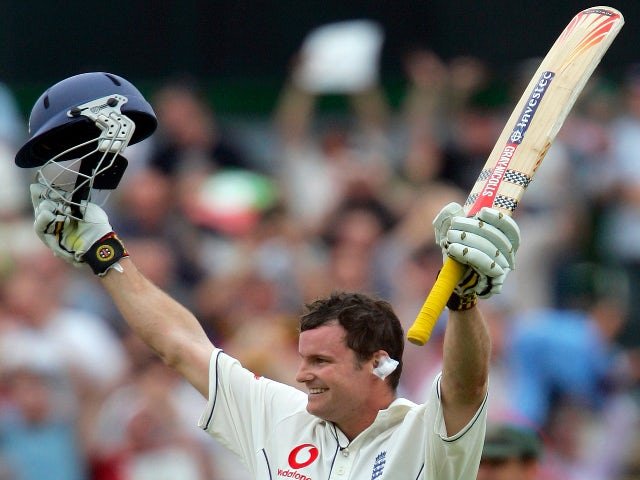
Michael Vaughan (c): He had to be captain of this team. Hussain did much of the hard work which allowed Vaughan to thrive. But Vaughan was a good captain, both for his tactics and his man management (particularly of Kevin Pietersen). Sadly, injury destroyed Vaughan’s career and his team, or else the 2005 team could have been more successful than Strauss’ team in 2011.
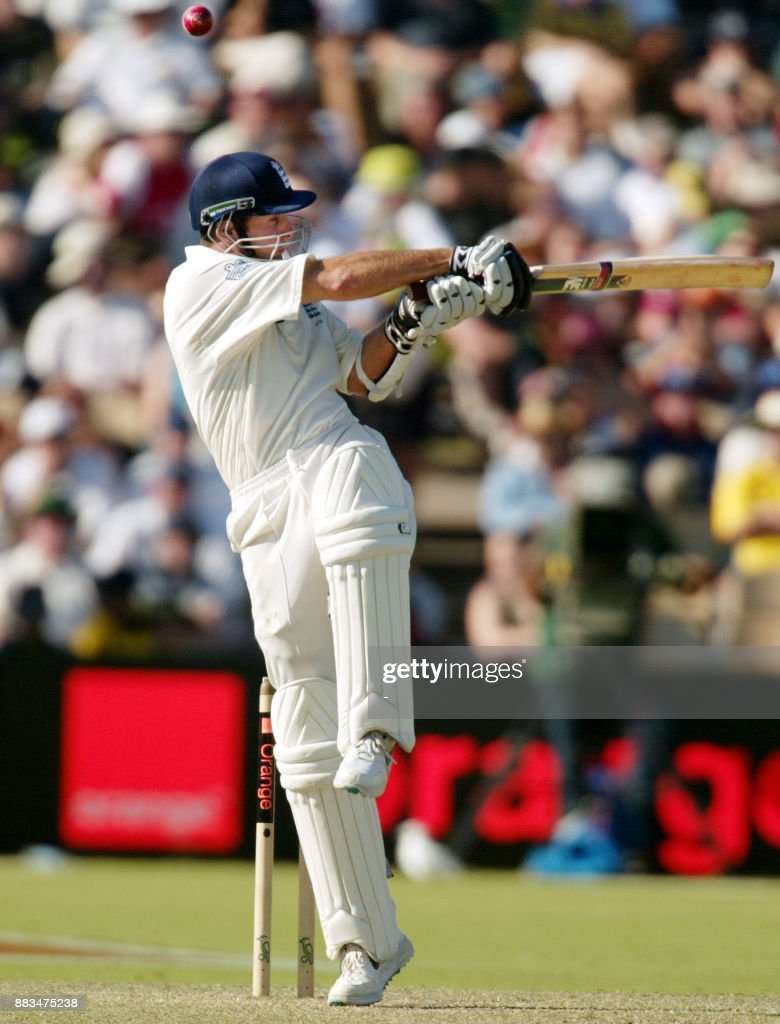
As for Vaughan the batsman, he had an astonishing purple patch in 2002/3 when he scored loads of hundreds. In the Ashes down under he scored 3 hundreds in the series, and I will always remember that ‘swivel pull’ which he played against McGrath and co stood on one leg.
He was never the same after he injured his knee in 2004, though did manage a fantastic century in 2005 at Old Trafford. It was the beginning of the end though, he did score a couple more hundreds but his career was prematurely finished off by injury.
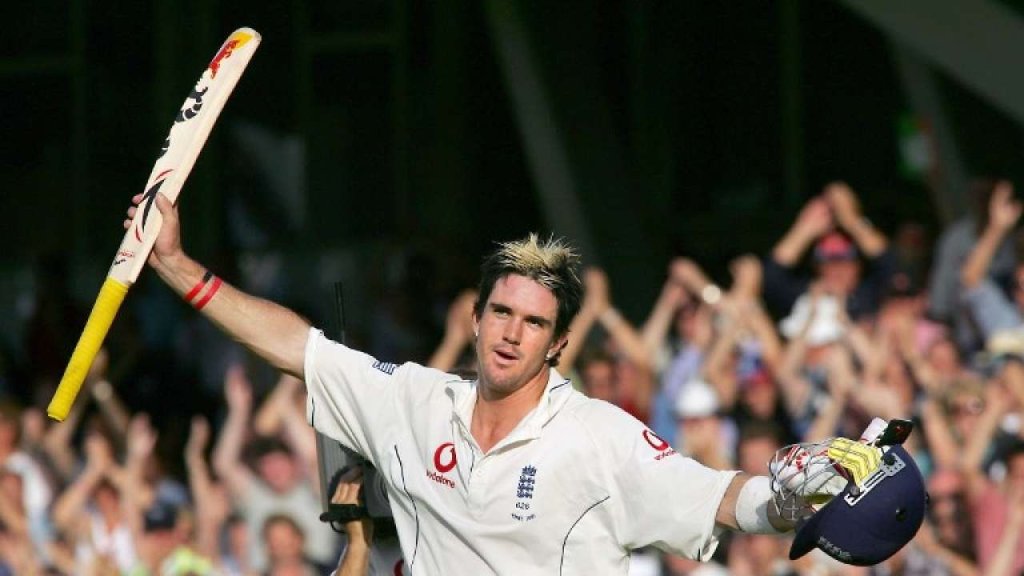
Kevin Pietersen: I remember Shane Warne talking about ‘KP’ during his 200 at Adelaide in 2010. To paraphrase, Warne said that you needed a lot more than ‘just talent’ to be succesful. But when it comes to talent, ‘KP’ was up with the best.
From the moment he walked out at Lords and tried to hit McGrath into the Grandstand, we knew Pietersen was different. I remember when he played the switch hit at Edgebaston against Muttiah Muralitharan. “That is outrageous” said Bob Willis.
If you forget the shambles that was Pietersen the captain, dismiss the nonsense of ‘textgate’ and the stupid criticism of Matt Prior and Andy Flower, you are left with a lot of brilliance. Pre 2010, the 158 at The Oval would be the most amazing innings.
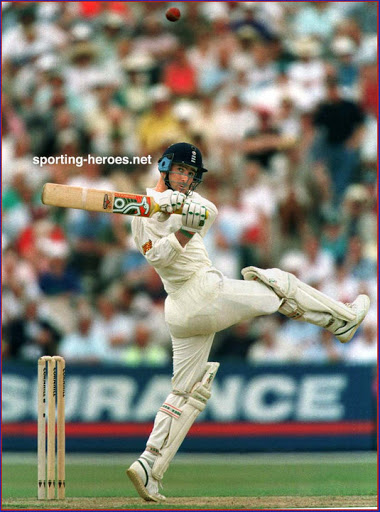
Graham Thorpe: My selection of Thorpe is perhaps based on some sort of 90s loyalty. But I would have kept Thorpe for the 2005 Ashes at the expense of Ian Bell. But England won the 2005 Ashes and Bell had a pretty good career. So maybe Bell is unlucky not to make this team (and he does make the next Team of the Decade).
Thorpe did have a fair impact on that 2005 team though. He helped establish it. He had that amazing patch after his last comeback in 2003, and along with Mark Butcher and Hussain instilled ‘grit’ into the batting line up in 2004. He was also at the other end when Andrew Flintoff scored his first hundred. I suspect he was a major part in guiding Flintoff to his first big score.
That partnership against New Zealand got Thorpe to his double hundred, and Thorpe had success in Pakistan and Sri Lanka. But it will always be the Barbados innings against West Indies in 2004 that sticks out. Thorpe single handedly kept England in the game. That was what Thorpe always did. Perhaps more effective at 20/3 than 200/3, he was a fighter that kept England in the game. In the 2000s, he scored hundreds rather than 80s and England managed to grab the opportunities a lot more.
Andrew Flintoff: In the end, Flintoff was all about the 2005 Ashes. He was the key difference with bat and ball.
He had lots of other success as well – particularly in One Day Cricket. He had the famous over against Jaques Kallis in 2008 and the wickets at Lords in 2009. And of course, ‘mind the windows Tino’. If only he had never been made Captain and not bowled 50 overs against Sri Lanka….He lost that cheek of the Tino Best incident when Captain. I hope England learn the lesson with Ben Stokes.
Flintoff will always be synonymous with Edgbaston 2005 though. He made runs in both innings, but it was in the second innings that it really matered, because he was left on his own. He hurt his shoulder and struggled….then started hitting sixes. Eventually Shane Warne got him, and then ran across the field to say ‘well played’. Like or loath Warne, he played in the right spirit (mostly) but rarely gave out praise to England players unless it was really warranted. Then ‘Freddie’ bowled the famous 7 ball over when he got Justin Langer and Ricky Ponting. Ponting said afterwards that he really did not want that no-ball, he just wanted that over to finish. The Edgebaston crowd loved that no ball, and as Sir Ian Botham said on commentary ‘he’s having a pretty good match’.
Perhaps Flintoff should have been fitter and then might have achieved more. We will never know. But he needed that ‘cheek’ to thrive.
The Wicket Keeper
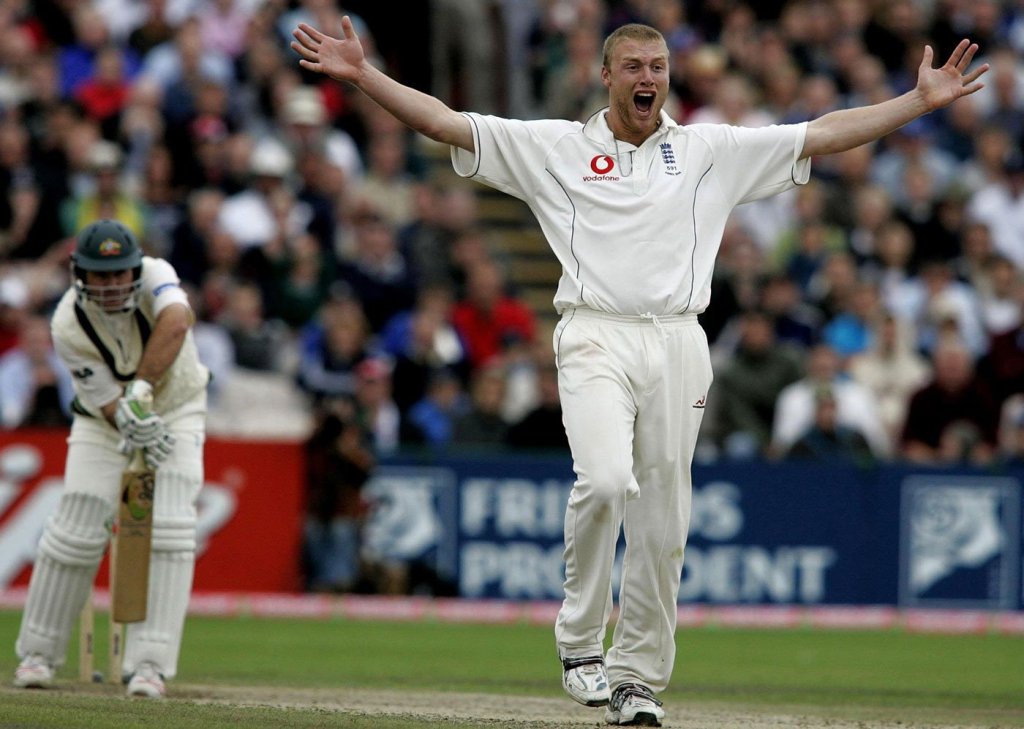
Matt Prior: Now the Wicket Keeper was difficult. Several of the 2010/11 team only make the 2010s team and have missed out on this one. And for the next decade’s team, Prior was an obvious choice. But Prior did not become ‘first choice’ keeper until 2008, after a debut season of good batting and poor keeping in 2007. Before then, several wicket keepers had played for England in the 2000s (Alec Stewart, James Foster, Chris Read, Geraint Jones, Tim Ambrose). Jones nearly made it but in the end was finished off by the horrors of 2006/7 down under, and he just did not score enough runs.
So nobody really ‘claimed’ the Wicket Keeper role before Prior, and I nearly selected Stewart. In the end though, I think Prior achieved more in the decade. He also transformed himself from ‘Dire Prior’ into England’s best. His best moments came in 2010/11, but he made a key contribution to 2009. Despite being victim of some strange dislike by Kevin Pietersen, Prior also made himself into a real presence behind the stumps.
Neither Bairstow or Buttler have been able to live up to Prior, and both have more talent. That’s what I love about Prior – he worked his absolute socks off to be the best.
The bowlers
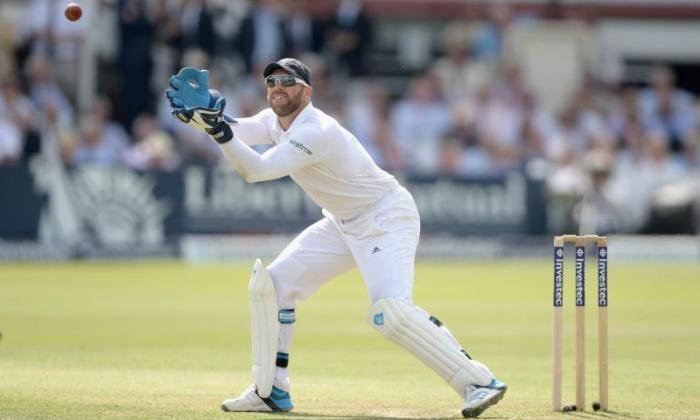
Ashley Giles: If I am honest, I am not sure I rated Giles. If I was picking the best spin bowler for the decade on instinct, I would pick Monty Panesar. And Panesar certainly should have been ‘first choice’ spinner for the 2006/7 Ashes, though Giles exited that tour under difficult circumstances.
Looking at Giles’ figures, they are not spectacular. He enjoyed excellent tours of the sub continent and had bowling success in 2004 against West Indies. It was probably his batting that made the difference – England were ‘stung’ so often in the 90s by having useless tail enders. He was also a good fielder.
Giles actually did very little that was spectacular. I think that is the point. He was a team man, a key part of Hussain and Vaughan’s teams. But he was not just in the team because of his popularity. He chipped in when it really mattered. Think the wickets he took at Edgbaston in 2005 – he got Ricky Ponting on the sweep when he was just cutting loose. And at The Oval he dug in with Pietersen to ensure the draw. That was typical of Giles. Not spectacular….but when it really mattered he often came good.
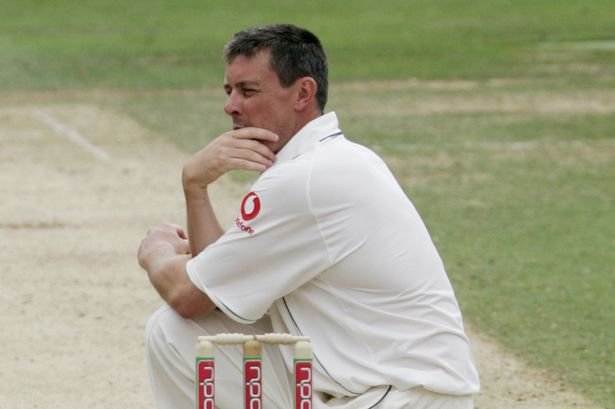
Steve Harmison: 7/12 at Barbados. And of course, drawing blood from Ponting on Day 1 at Lords in 2005, which set the tone for England’s bowling in that series. Let’s remember that and not the first ball at Brisbane….
Harmison should have been fitter and more consistent. If he had been fitter he would have been England’s leading fast bowler for longer and would have been more consistent.
But for that period around 2005 he was fantastic. In the days before Stuart Broad, we just did not see those kind of spells from England bowlers. He was at his best alongside Flintoff…..but also his worst. It was fitting he was able to ‘finish off’ in 2009 alongside Flintoff, having made an important contribution to another home Ashes victory.
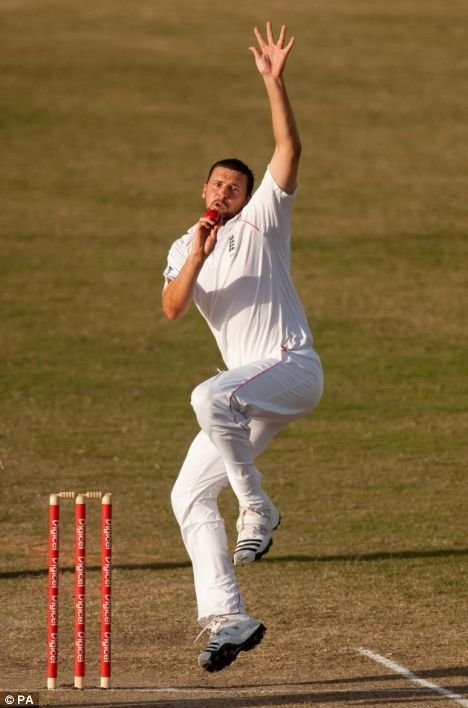
Matthew Hoggard: Whenever I think of Hoggard, I actually think of Hoggard the batsman. Firstly, sat on the balcony at Lords on debut in 2000 desperately hoping Dominic Cork and Darren Gough would get England over the line (they did). And of course, that cover drive at Trent Bridge in 2005.
Then I remember Hoggard’s hat-trick in 2004 against West Indies. That hat-trick was Hoggard’s only major contribution to the 2004 away series, but that was the thing about the 4 fast bowlers in that period – someone always stepped up.
Hoggard opened the bowling for England and provided the stability for the rest of the attack. His success came from being different to all the other bowlers, providing the contrast. Of course, he also kept James Anderson out until 2007.
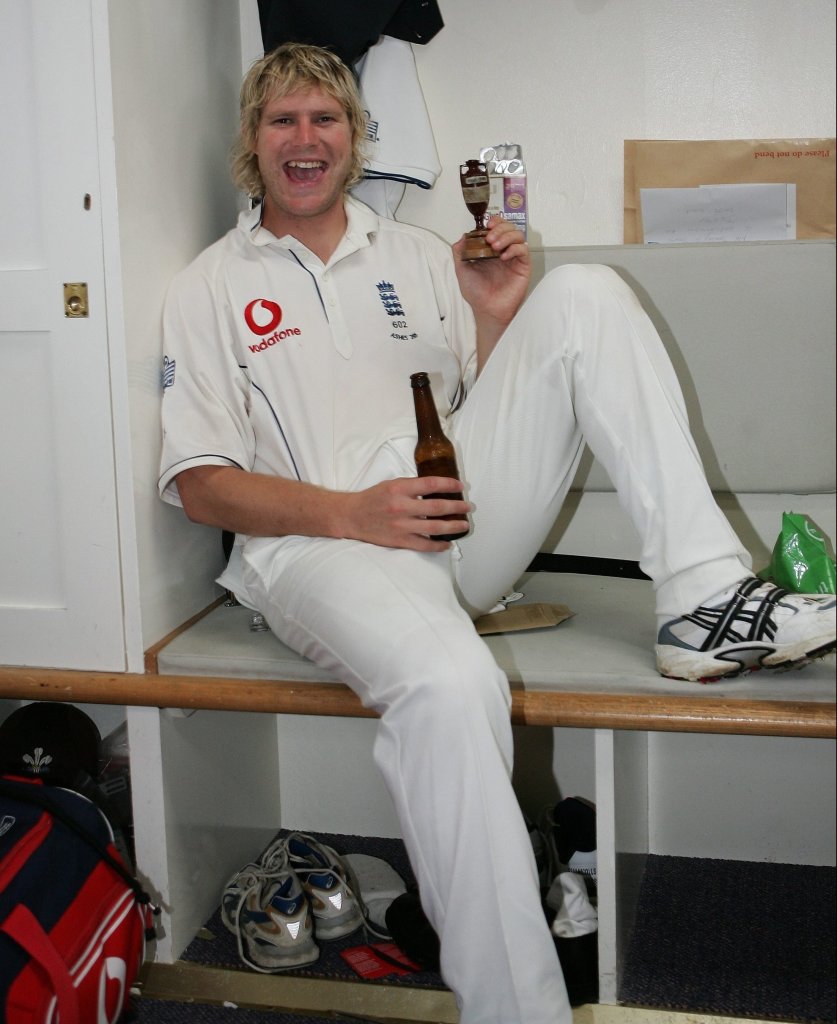
Simon Jones: Again Brisbane strikes, this time in 2002, as Simon Jones dived in the field to save runs. His knee dug into the ground but the rest of his body kept going. It still makes me shudder.
So Jones’ career was sadly short and full of injury. But in those 18 matches he took 5 wickets in an innings 3 times. His bowling average stayed under 30. And he did enough for us to know that he would have achieved a great deal if only his body had permitted it. More than Harmison for sure.
The reserves
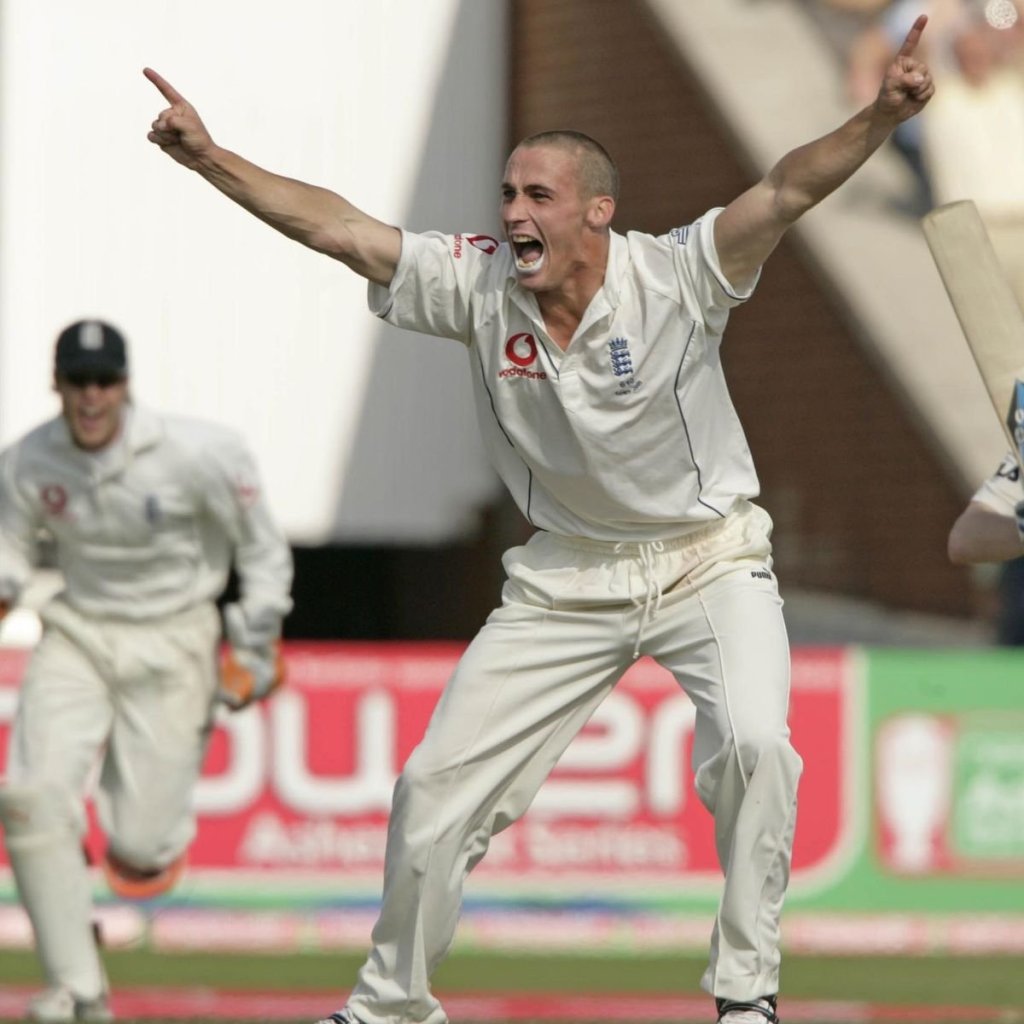
I decided I would pick a spare batman, fast bowler and spinner. It was obvious who I would pick.
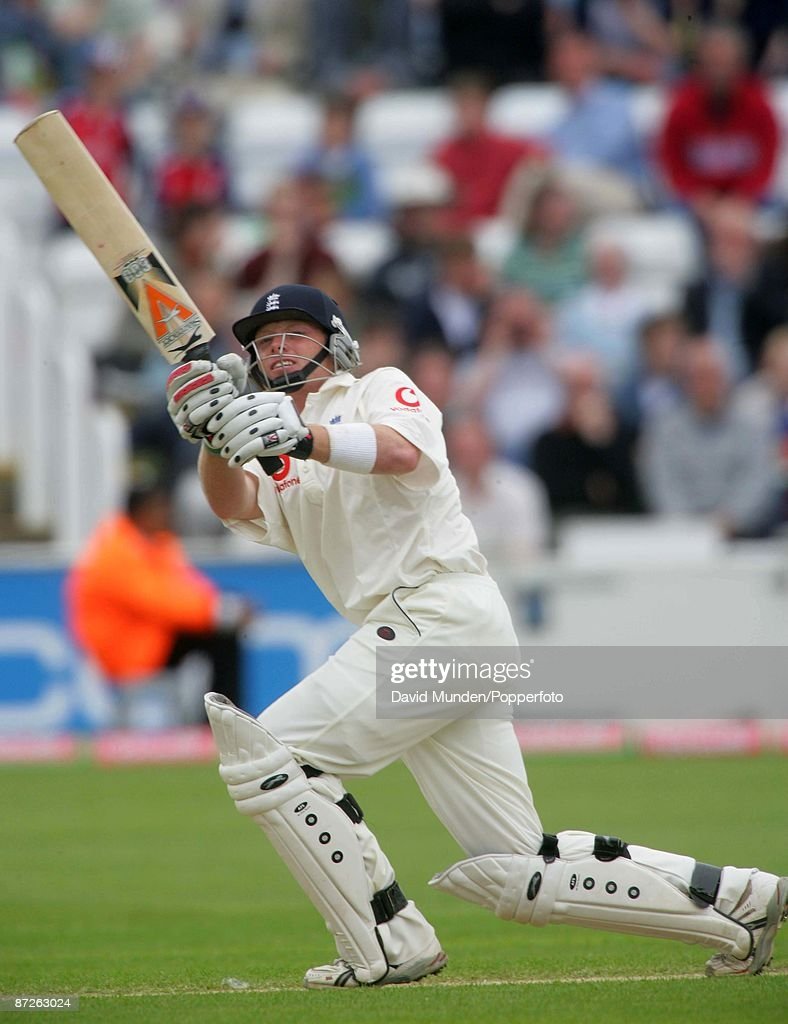
Ian Bell: I picked Thorpe over Bell, and still think that would have been the right call. But Bell took those short leg catches….
Bell was a number 5, not a number 3, and found himself at 3 too often, too young. He was wonderful to watch, but in the 2000s he did not quite ‘make it’ His greatest moment was in the 2013 home Ashes series. But he still had pretty good figures and would have walked into the 1990s team.
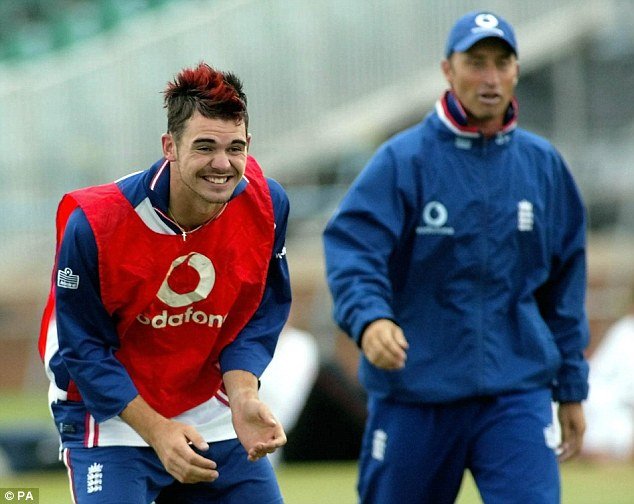
James Anderson: Jimmy Anderson spent the mid 2000s carrying drinks while England coaches tried to ruin him. Anderson comes in as 12th man ahead of Broad because he did more in the 2000s. It is amazing to think that Anderson played alongside Alec Stewart!
In the end it worked out pretty well for Jimmy – once he got in the team. He had to push out 2 fine bowlers in Hoggard and Harmison.
And he saved the day in 2009 at Cardiff……
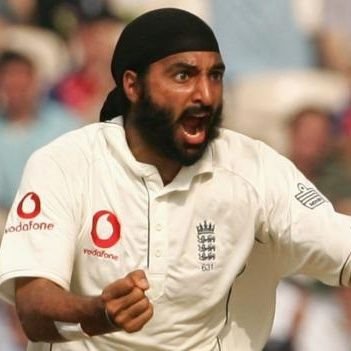
Monty Panesar: Talking about Cardiff……Panesar was England’s best spin bowler from 2006 to 2009. Graeme Swann took over, and Panesar should feel no shame in that.
How would this team do?
Its the 2005 Ashes team, with Thorpe for Bell and Prior for Geraint Jones. This team in the 2000s would give anyone a challenge. It was only injury that stopped England developing into true world beaters.
In 2021 this team would thrash everyone. No question.

 Cricketed